for Indigenous Health Equity
KantiHealth collaborates with Indigenous communities to co-design culturally grounded evidence-based solutions that drive health equity across Indonesia and Southeast Asia
Equal partner
Indigenous Peoples
There are more than 476 million indigenous people
spread across 90 countries worldwide
Home of diversity
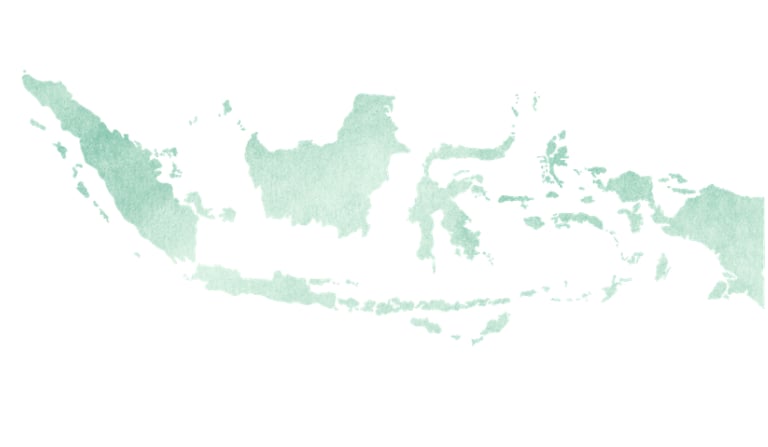
Indonesia is the home of an estimated 50 to 70 million Indigenous Peoples, and approximately 20 million people recognised under AMAN (Indigenous Peoples' Alliance of Nusantara)
Tuberculosis fuels health inequities
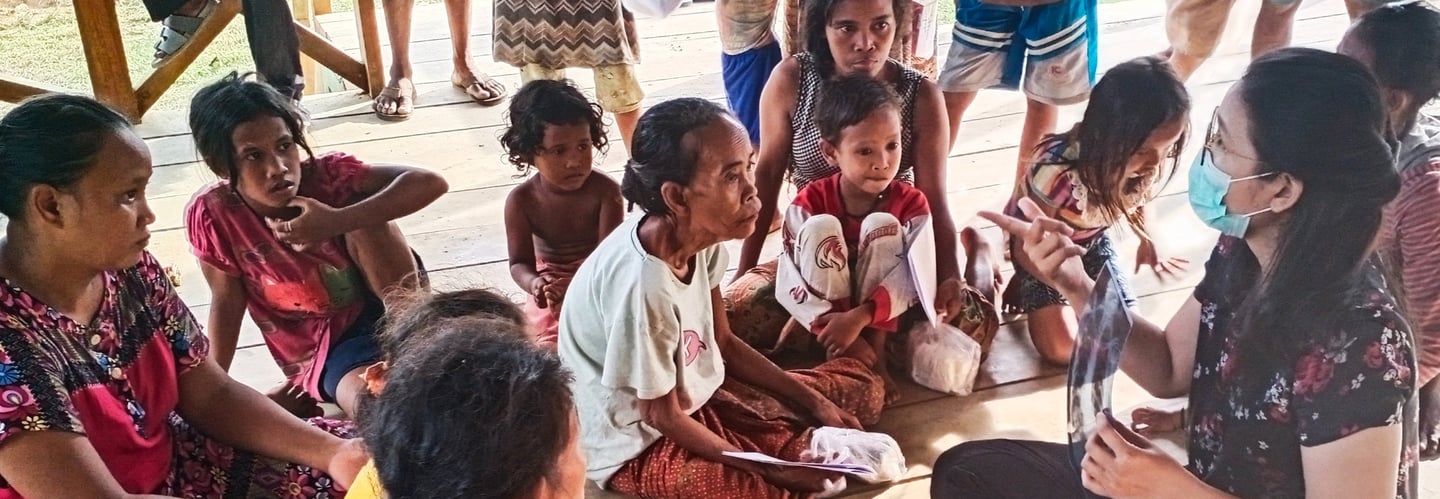
Every 25 seconds, someone in the world dies of tuberculosis, the deadliest infectious disease globally
They die in suffering, struggling to breathe, wasting away, and enduring prolonged, often bloody coughs from a fully curable disease
In 2023 alone, 10.8 million people fell ill with TB
Indigenous Peoples bear a disproportionate burden up to 300 times higher than their non-Indigenous counterparts
hitting Indigenous Peoples hardest
How do we tackle the problem?
Culturally-Accepted Care
We don't just deliver health services, we co-design them with the community, ensuring the approach is trusted and utilisedSystem Expansion
Our work acts as a critical last-mile solution, effectively and efficiently expanding the National Healthcare System's footprint into marginalised Indigenous territories
10
95,8%
TB Treatment Completion Rate
Indigenous Community Health Workers (CHWs) Trained


163
New TB Cases Diagnosed
54
Lives Reached by TB Screening
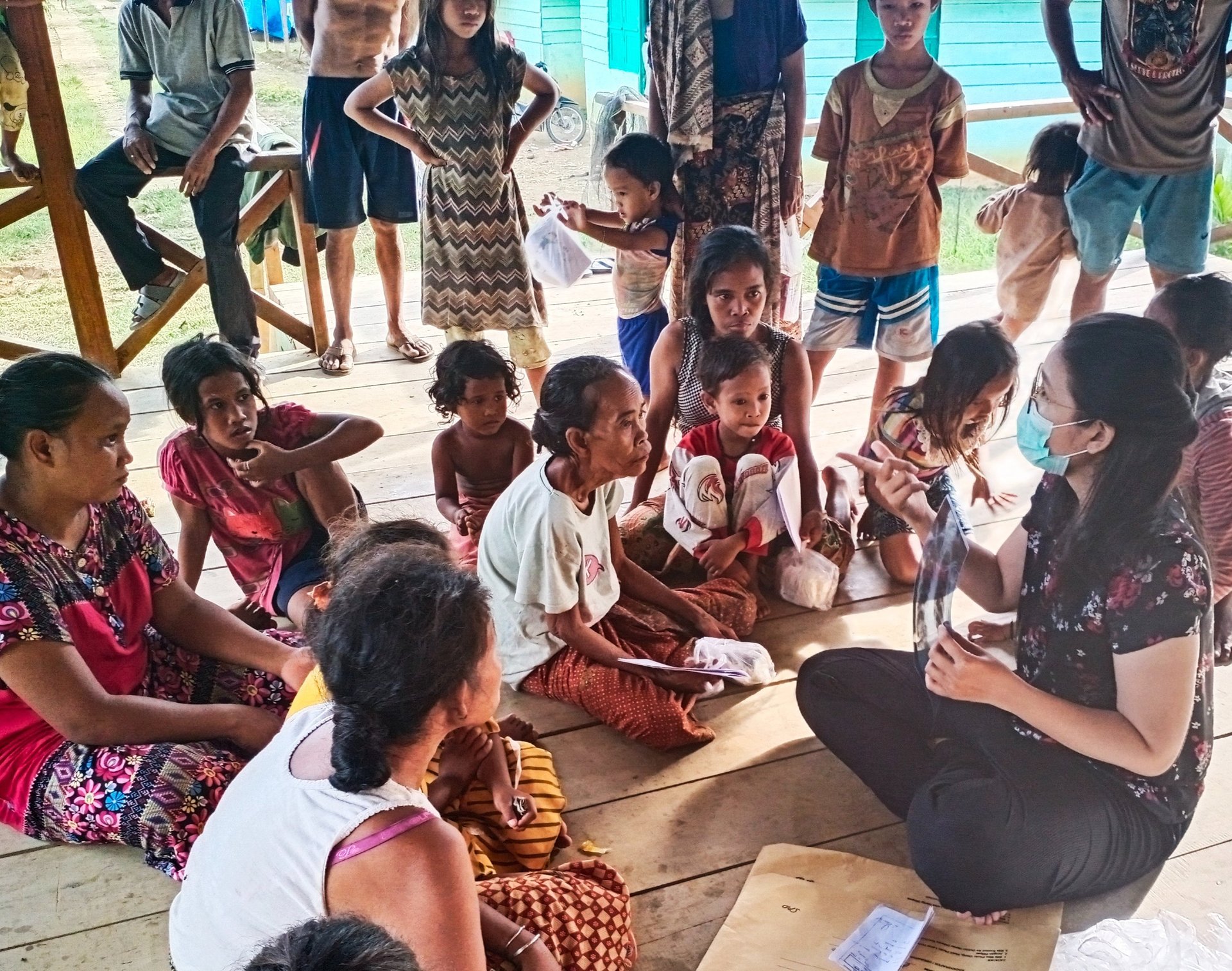
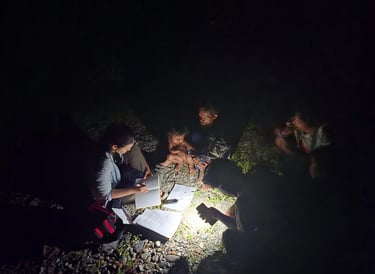
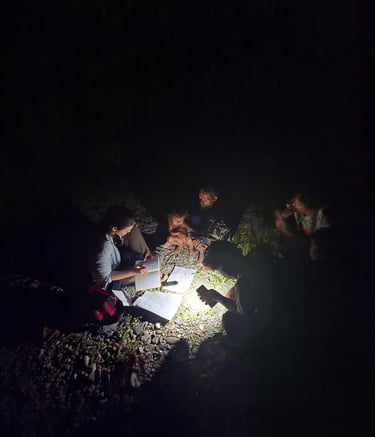

Community-based TB Screening and Diagnosis
OUR PROGRAM
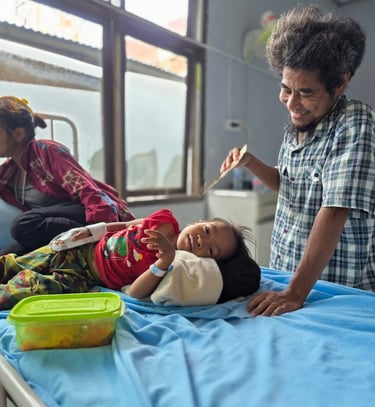
Community-Based TB Care
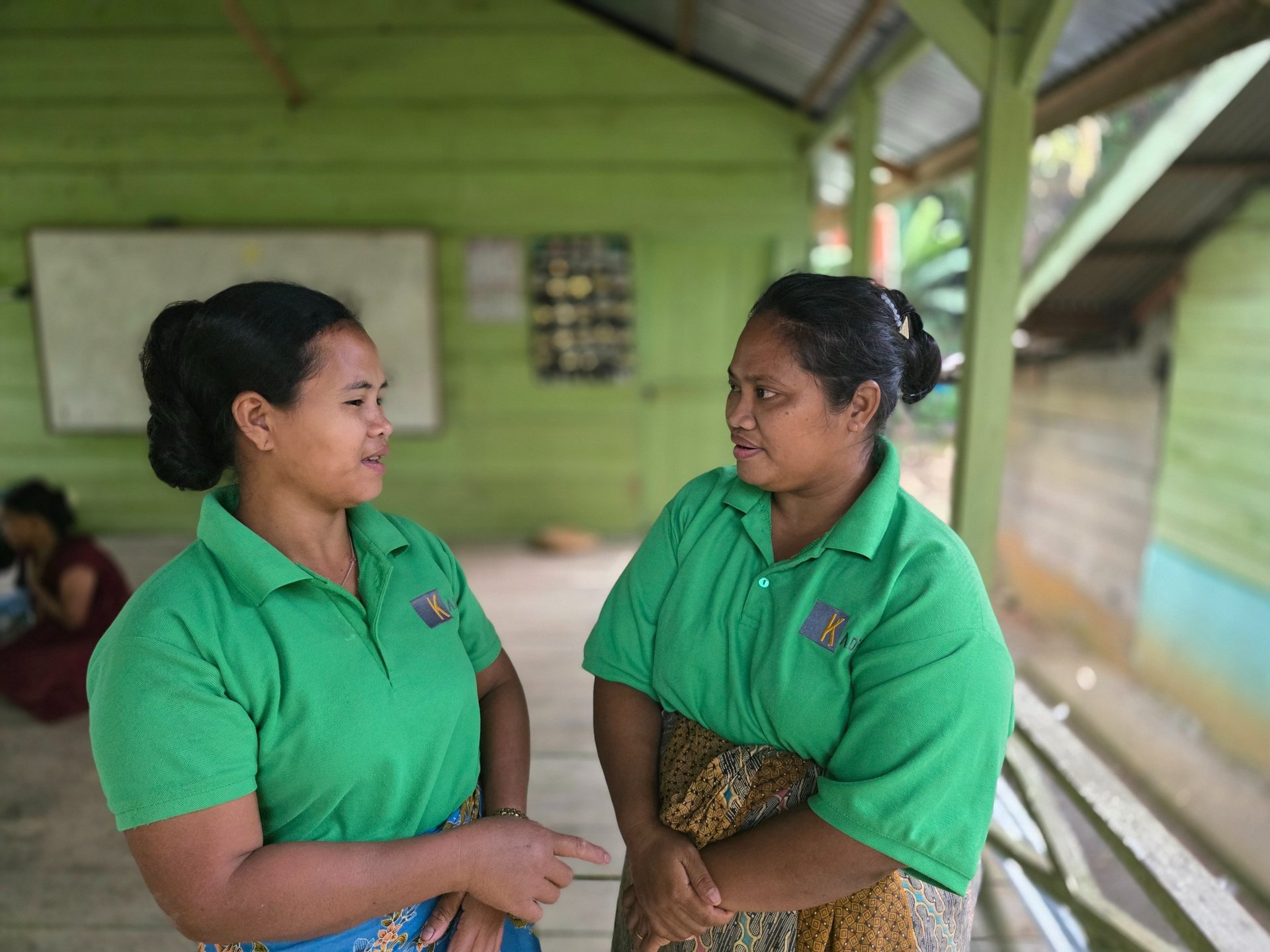
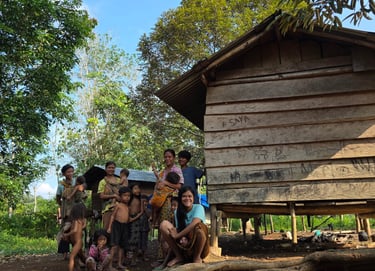
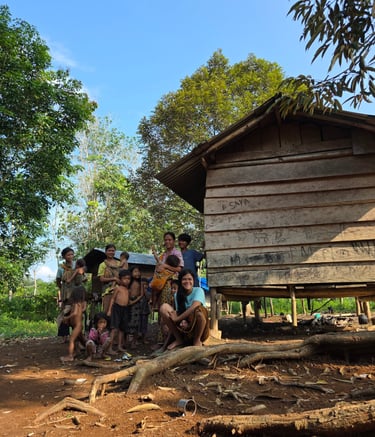
The Orang Rimba (Suku Anak Dalam)
Patient Navigation & Accompaniment
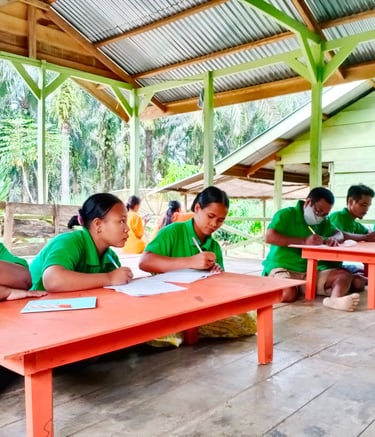
Indigenous CHWs Training and Supervision
Health Program Co-development

Frequently asked questions
Does KantiHealth only cover TB?
Indonesia is combating the second-largest TB burden globally, a health crisis prioritized by the government since 2015. Despite this, a critical policy gap exists for Indigenous populations, who lack dedicated programs and adequate data. This vital oversight defines Kantihealth's immediate mission. We are focusing on implementing a culturally sensitive TB intervention model within the Suku Anak Dalam community. Kantihealth will strategically leverage this foundation to address other significant health challenges, improving the overall quality of life for Indonesia's Indigenous communities.
Does KantiHealth only focus on Suku Anak Dalam in Jambi?
KantiHealth currently concentrates its efforts on the Suku Anak Dalam (SAD) community in Jambi, which reflects several years of established, accepted engagement. This localized focus maximizes impact and ensures the thorough validation of our culturally sensitive intervention model. Indonesia, however, is home to a vast population of local Indigenous communities, estimated at over 50 million people, who face similar, significant health disparities. Therefore, while our work remains firmly committed to the SAD community, Kantihealth is strategically building a replicable framework. This approach will allow us to gradually and responsibly expand support to other vulnerable Indigenous groups across the nation, driven by data on need and proven success.
Is KantiHealth open for the volunteering program?
Yes, KantiHealth welcomes the application of skilled volunteers who align with our mission. We seek contributions that strengthen our evidence-based approach in specific areas, including curriculum development, nutritional science, community health practice, public health policy, and direct service from health practitioners. This collaboration enhances the quality and breadth of our program delivery to the Suku Anak Dalam community.
Does KantiHealth open for collaboration?
Yes, KantiHealth is actively seeking diverse collaborations that benefit the quality of life for Indigenous communities across Indonesia. While our established, immediate focus is with the Suku Anak Dalam in Jambi, our mandate is broader. We welcome proposals for strategic partnerships that extend beyond our current scope, including areas like policy development, health research, resource mobilisation, and direct service implementation. We are committed to building a robust, evidence-based network to address the significant health disparities faced by Indonesia's diverse Indigenous populations. We are firmly optimistic that collaborating with partners who share our commitment to health equity will drive scalable, sustainable change.
We long to see
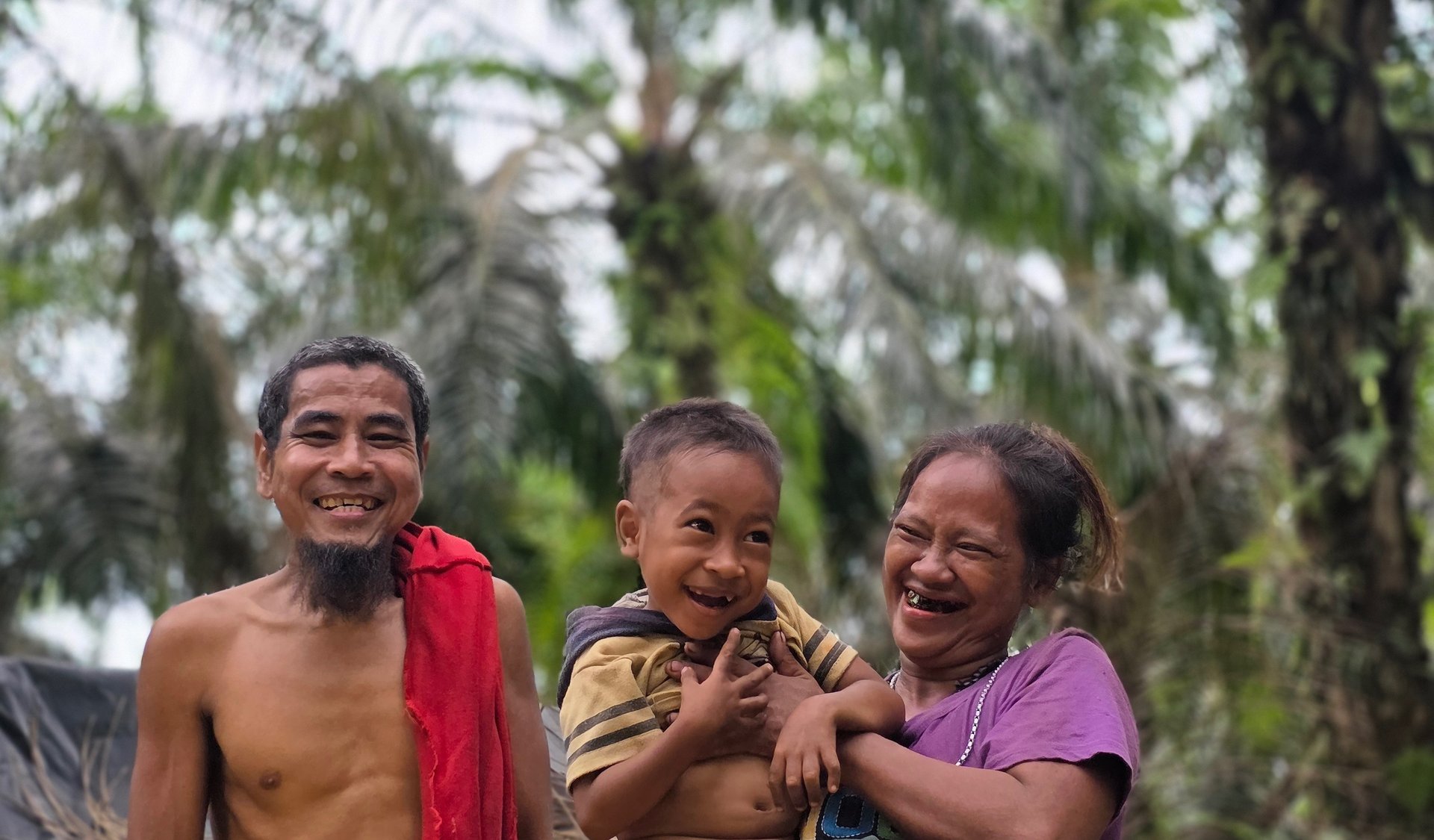
a world where every Indigenous people is born with the same life expectancy, quality of life, and dignity as their non-Indigenous counterparts
Collaborate with us
to drive real health impact